Food Security Spectrum
Where you live and who you are defines your access to nutrition. This project explores food insecurity faced by households across the nation.
What is Food Insecurity?

Where does our next meal come from? Who ensures there’s enough food on the table? And most importantly, who struggles when there isn’t?
The problem of food insecurity remains a pressing issue, affecting millions of households across the United States. Food insecurity means not having consistent access to enough food for an active, healthy life. The USDA’s Economic Research Service (ERS) highlights the difference between low food security and very low food security. Low food security involves households that experience reduced quality, variety, or desirability of diet but don’t show significant reductions in food intake. Very low food insecurity is much more severe, causing households’ eating patterns to be disrupted and reduced due to lack of money or resources. It causes these households to skip meals or reduce portion sizes, leading to health issues. And the United States is no exception with rates of food insecurity remaining a significant concern nationwide.
About EcoVisionaries
EcoVisionaries uses data to study the multifaceted issue of food insecurity in the United States, focusing on how economic and demographic factors affect access to nutritious food. Despite efforts to address this issue, we argue that economic instability continue to exacerbate food insecurity, particularly among marginalized communities. Our analysis indicates that food-insecure households experienced fluctuations from 2008-2022, with a notable increase of over 10,000 households labeled as food insecure in recent years.
For this project, we analyzed data from the U.S. Department of Agriculture (USDA), covering trends in food security, the impact of various socio-economic factors, and comparisons across different states. This comprehensive dataset allows us to explore the policies in states with low food insecurity compared to those with high food insecurity, aiming to identify effective strategies for reducing food insecurity nationwide.
Our research examines the intersection of demographic factors such as income, employment status, education level, disability status, and race/ethnicity with food insecurity. We also consider the influence of external factors like economic downturns on food prices and availability. By identifying correlations between these variables and food insecurity, we aim to provide insights into the broader socio-economic and environmental context affecting food access in the U.S.
EcoVisionaries aims to highlight the disparities in food security across different communities and states, advocating for policies that address the root causes of food insecurity. Our findings emphasize the need for targeted interventions to support vulnerable populations and promote sustainable practices to mitigate the effects of climate change on food systems. Through our project, we strive to inform policy changes that can lead to a more equitable and sustainable future for all.
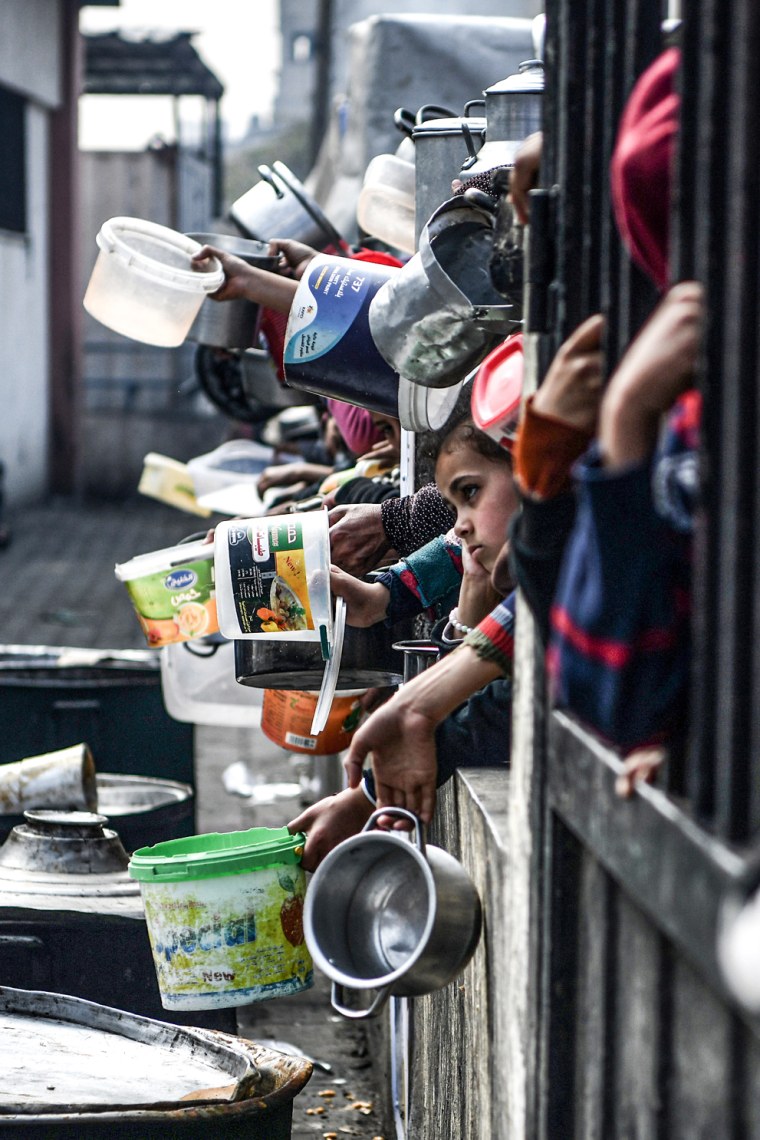
What Makes Our Project Unique?
Our project centers around the human experience within this issue of food insecurity. Impacting individuals throughout the world, food insecurity is a pervasive issue. For many, food insecurity may appear as mere data points, detached from the lived realities. We aim to illustrate how communities experience food insecurity, impacting their health, livelihoods, and futures. Our goal is to use data to empower and uplift communities, ensuring that future generations do not face the same hardships, regardless of their background.
Our Research Questions
1
What are the key differences between states with low and high food insecurity levels, and what state-specific factors contribute to these disparities?
2
How do economic factors such as income level, inflation, and employment status impact food insecurity in the United States?
3
How do demographic factors like education status, disability status, and race/ethnicity correlate with food insecurity levels across different regions of the United States?